
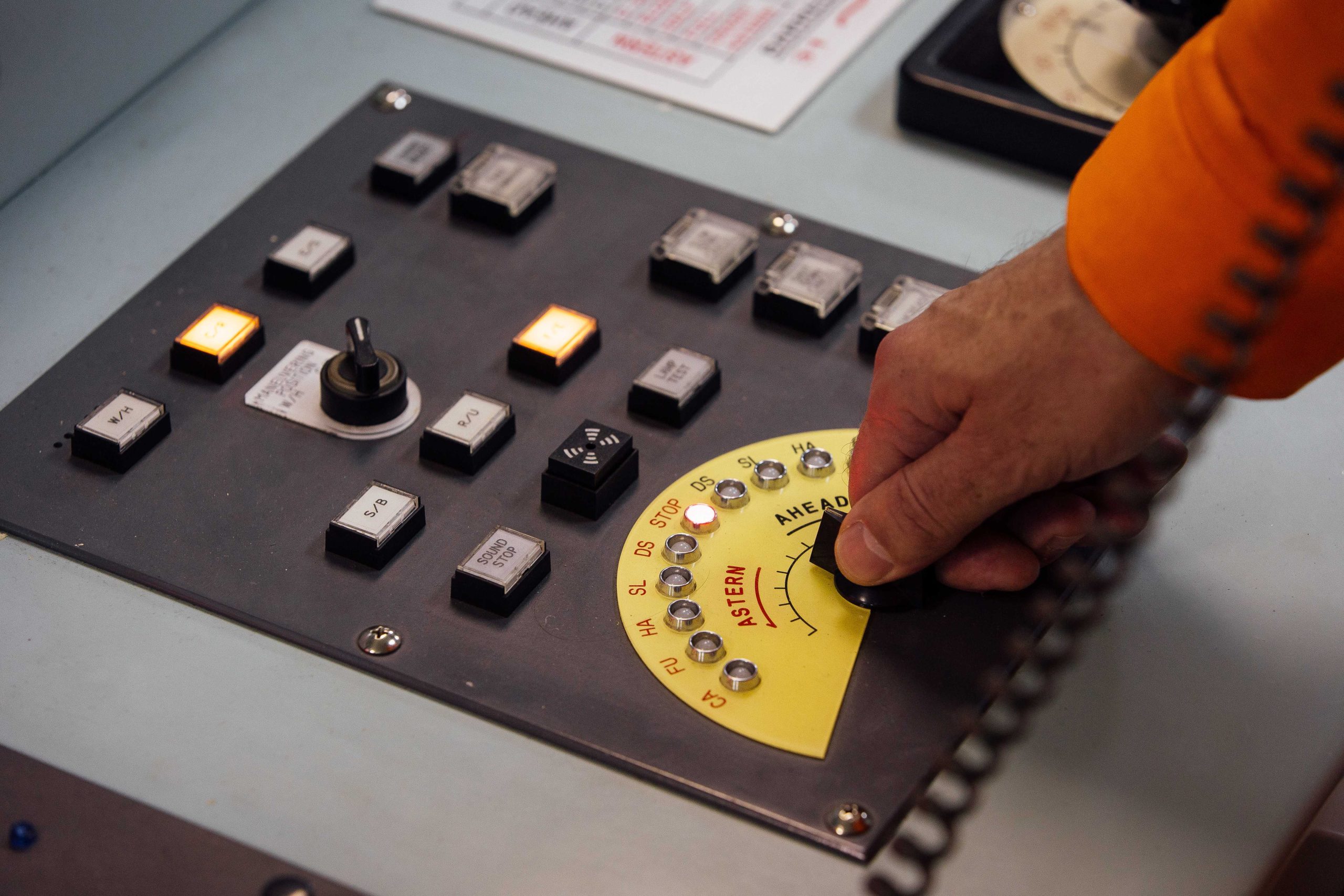
What is it really like to start your career at sea – and how does a cadetship shape the way you work, learn and live day to day? For Siddhant, an Engine Cadet with Zodiac Maritime, the past two months onboard have been an intensive introduction to life in the engine room.
From early starts and structured routines to hands-on maintenance and learning in real operating conditions, Siddhant’s first sea phase has offered lessons that go far beyond the classroom. In this Q&A, Siddhant shares what surprised him most about life at sea, what a typical day looks like, and the moments that have made him feel proud.
What’s your role, and where are you in the cadetship programme?
I am an Engine Cadet with Zodiac Maritime and have recently completed two months at sea, which has been an important learning stage in my cadetship journey. As I progress through the programme, I hope to keep building my knowledge and, by the end of my contract, gain as much experience as possible in machinery operation and troubleshooting major equipment onboard.
What’s been the biggest surprise about life at sea so far?
The biggest surprise for me has been how structured and disciplined life at sea is. Before joining, I was a bit of a night owl, with an irregular routine and an unhealthy diet. Life at sea has helped me develop discipline, eat more cleanly, and follow a proper daily routine. I have also started going to the gym regularly, which has been a really positive change, and something I plan to continue when I’m back home.
Talk us through a typical day onboard – what does your routine look like?
My day starts at 6:30am. After breakfast, I report to the Engine Control Room by 7:30am. The day begins with a morning discussion involving the entire engine department, where we review the day’s jobs, important updates and safety-related matters. Tasks are then allocated, similar to a toolbox talk.
Before starting my assigned work, I carry out an important routine responsibility: taking tank soundings and maintaining accurate tank records. After that, if a specific task is assigned to me, I complete it accordingly. Otherwise, I usually assist the Third Engineer. Working closely with him has been a valuable learning experience, as it allows me to observe operations in detail and gain practical knowledge.
We have a coffee break at 10:30am, followed by lunch at 12:00 noon and a rest period until 1:00pm. After that, we resume duties until the afternoon coffee break at 3:00pm, and the workday generally ends by 5:00pm.
In the evening, I go to the gym at around 5:30pm, have dinner at 6:30pm, and then spend time completing my training record book and Zodiac Maritime training projects. If time permits, I relax by watching a movie, and I usually turn in by 10:00pm.
What have you learned that you couldn’t have learned in the classroom?
Onboard, I have learned how machinery and systems behave under real operating conditions. Skills such as troubleshooting, teamwork during operations, safety awareness, and adapting in real time can only truly be developed at sea, not just through textbooks.
I completed a four-year engineering degree with extensive theoretical coursework and examinations. While my university has one of the largest workshops, I feel there is always a gap between theory and practical application. Adapting to a real working environment requires hands-on involvement and active participation in actual tasks.
For example, I was particularly fascinated by auxiliary machinery such as the boiler. I understood its basic principles, operation, and components in theory, but working on it onboard was a completely different experience. During burner maintenance, which I carried out with the Third Engineer, I was able to see the components in real conditions and gain hands-on experience. These are the lessons that cannot be fully learned in a classroom but are invaluable at sea.
What moment has made you feel most felt proud while working onboard, such as a task, a situation, or a specific milestone?
Completing my two months at sea already feels like a significant achievement. Being trusted with responsibilities, contributing to daily operations, and gaining confidence in the engine room environment have made the experience both rewarding and motivating for my career.
Before joining, some relatives warned me that life at sea would be very difficult and warned that I might fall sick or struggle to cope. However, by showing eagerness to work every day and maintaining a positive attitude, I gradually gained the confidence and trust of the senior engineers. Being able to carry out certain tasks independently now feels especially meaningful.
Finally, a message to anyone reading about my experience: there may be days when you feel things are not working out and you may think about giving up, but trusting the process is important. With time, things do fall into place. After nearly two months and twenty five days onboard, I feel truly grateful to be part of a supportive crew, and I’m motivated to continue my journey ahead.
Siddhant’s first sea phase offers a simple but powerful reminder of what cadetships are designed to do: turn classroom knowledge into real operational understanding, and help early-career seafarers build the discipline, confidence and practical judgement that life at sea demands.
As Siddhant continues his Zodiac Maritime cadetship, his focus remains on learning as much as possible: from the machinery itself and from the people around him.
With a structured routine, hands-on experience, and the support of the engine department, he is building the foundations for a long-term career at sea.